martes, 17 de enero de 2017
VIDEOPRESENTATION
This is our presentation: https://www.youtube.com/watch?v=vY4U_v3dR_o&feature=youtu.be

lunes, 16 de enero de 2017
THE LEARNING CONE OF EDGAR DALE: "WE LEARN BY DOING"

It explains that the kids and adults remenber better the interactive things (participarte in a disccussion, talk, create, buit,...) than the pasive (read, listen, observe a image, see a film...).
FERNÁNDEZ, Isabel. Juego serio: gamificacion y aprendizaje [en línea]. [Fecha de consulta: 16 de diciembre de 2016]. Disponible en internet: http://www.centrocp.com/juego-serio-gamificacion-aprendizaje/

POSTER
Here you can find the poster that we have done:
http://davidsegura975872758821f92.edu.glogster.com/gamification
http://davidsegura975872758821f92.edu.glogster.com/gamification
martes, 10 de enero de 2017
DIFFERENCES BETWEEN GAME, GAMIFICATION AND GAME-BASED LEARNING
- Gamification: As we have said before, is the concept of applying game mechanics and game design techniques to engage and motivate people to achieve their goals.
- Game-based learning: Adoption of games for educational purpose.
- Game: An activity providing entertainment or amusement.

SOME USES OF GAMIFICATION
The concept of Gamification is not new. Plenty of uses have been given before that fit the criteria. But, nowadays with the proliferous use of social media and the accessibility to the Internet, the concept is being applied to plenty of diverse uses. Some uses include, between others:
- Employee motivation.
- Conceptualization of the concept of energy preservation.
- Beat and understand diseases.
- Create healthy competition.
- To promote charitable donations.
- To promote education and language learning.
domingo, 8 de enero de 2017
BINGO, CLASSIC RESOURCE WITH GREAT VALUE IN EDUCATION
 We can transform the classic view of this game in other different thats permit that the childs in the school play instead of numbers, with objectives.
 In each ballot instead of numbers there are objectives, and dependin on his attitude in clase, the exercices, etc, they will cross a different objectives.
This is a way of motivation because the students have the aim to complete the ballot and get the reward.
ESPESO, Pablo. El bingo, un recurso clásico con gran valor en educación. Educación3.0, 2016 hhttp://www.educaciontrespuntocero.com/recursos/bingo-en-educacion-gamificacion-aula/34909.html
BIBLIOGRAFÍA
(Para llevar a cabo la bibliografía, hemos utilizado las
normas UNE)
ESPESO, Pablo. 10 herramientas de gamificación para el aula que engancharán a tus alumnos. Educación3.0, 2016 http://www.educaciontrespuntocero.com/recursos/herramientas-gamificacion-educacion/33094.html
SHARON, Hu. Gamification in Education [en línea]. [Fecha de consulta: 3 de diciembre de 2016]. Disponible en internet: https://www.youtube.com/watch?v=wfivasin9j4
https://badgeville.com/wiki/Gamification
RAISE SMART KID. The possitive and negative effects of video games[en línea]. [Fecha de consulta: 20 de diciembre de 2016]. Disponible en internet: http://www.raisesmartkid.com/3-to-6-years-old/4-articles/34-the-good-and-bad-effects-of-video-games
ELEARNING INDUSTRY. The Anatomy of Good Gamified eLearning [en línea]. [Fecha de consulta: 4 de enero de 2017]. Disponible en internet:
https://elearningindustry.com/anatomy-good-gamified-elearning
ELEARNING INDUSTRY. 7 eLearning Gamification Tips to Enhance Problem Solving Skills [en línea]. [Fecha de consulta: 4 de enero de 2017]. Disponible en Internet:https://elearningindustry.com/elearning-gamification-tips-enhance-problem-solving-skills
FERNÁNDEZ, Isabel. Juego serio: gamificacion y aprendizaje [en línea]. [Fecha de consulta: 16 de diciembre de 2016]. Disponible en internet: http://www.centrocp.com/juego-serio-gamificacion-aprendizaje/
WIKI. Gamification [en línea]. [Fecha de consulta: 5 de diciembre de 2016]. Disponible en internet:
TOP HAT, BLOG. 4 Ways To Bring Gamification of Education To Your Classroom [en línea]. [Fecha de consulta: 20 de diciembre de 2016]. Disponible en internet: https://blog.tophat.com/4-ways-to-gamify-learning-in-your-classroom/
ELEARNING INDUSTRY. Learning Game Design: Teaching Declarative Knowledge With Serious Games [en línea]. [Fecha de consulta: 8 de enero de 2017]. Disponible en Internet: https://elearningindustry.com/learning-game-design-teaching-declarative-knowledge-serious-games
GAMELEARN. ¿Qué es el Game-based learning? [en línea]. [Fecha de consulta: 8 de enero de 2017]. Disponible en Internet: https://game-learn.com/que-es-game-based-learning/
JACKSON, Michael. Gamification in education: A literature Review. [en línea]. [Fecha de consulta: 8 de enero de 2017]. Disponible en internet: http://www.usma.edu/cfe/Literature/MJackson_16.pdf
ESPESO, Pablo. El bingo, un recurso clásico con gran valor
en educación. Educación3.0, 2016
hhttp://www.educaciontrespuntocero.com/recursos/bingo-en-educacion-gamificacion-aula/34909.html
CHARACTERISTIC AND EFFECTIVENESS OF GAMIFICATION
Some characteristics every game shares:
• fun: the activity is chosen for its light-hearted character
• separate: it is circumscribed in time and place
• uncertain: the outcome of the activity is unforeseeable
• non-productive: participation does not accomplish anything useful
Effectiveness of Gamification
There have also been a number of studies to determine empirically and conceptual if gamification is actually effective in education.
In “Does Gamification Work? – A Literature Review of Empirical Studies on Gamification” Juho Hamari, Jonna Koivisto, and Harri Sarsa take a structured approach to determining the effectiveness of gamification by considering:

Their research shows that a majority of the current studies on the effectiveness of gamification do indicate that gamification in education produces positive effects and benefits. However, they also found that most of even the quantitative papers they reviewed were descriptive in nature and focused on the learners expressed response to the implementation of gamification and not demonstrated change in performance.
JACKSON, Michael. Gamification in education: A literature Review. [en línea]. [Fecha de consulta: 8 de enero de 2017]. Disponible en internet: http://www.usma.edu/cfe/Literature/MJackson_16.pdf
• fun: the activity is chosen for its light-hearted character
• separate: it is circumscribed in time and place
• uncertain: the outcome of the activity is unforeseeable
• non-productive: participation does not accomplish anything useful
Effectiveness of Gamification
There have also been a number of studies to determine empirically and conceptual if gamification is actually effective in education.
In “Does Gamification Work? – A Literature Review of Empirical Studies on Gamification” Juho Hamari, Jonna Koivisto, and Harri Sarsa take a structured approach to determining the effectiveness of gamification by considering:
- What motivational affordances the reviewed studies have implemented as dependent variables
- What psychological outcomes have been measured as possibly both independent and dependent variable.
- What behavioral outcomes have been measured as dependent variables.

Their research shows that a majority of the current studies on the effectiveness of gamification do indicate that gamification in education produces positive effects and benefits. However, they also found that most of even the quantitative papers they reviewed were descriptive in nature and focused on the learners expressed response to the implementation of gamification and not demonstrated change in performance.
JACKSON, Michael. Gamification in education: A literature Review. [en línea]. [Fecha de consulta: 8 de enero de 2017]. Disponible en internet: http://www.usma.edu/cfe/Literature/MJackson_16.pdf
miércoles, 4 de enero de 2017
THE ANATOMY OF A GOOD GAMIFIED eLEARNING

We’ve long known that playing games can help people to learn
as well as being fun, that’s why we play games with our kids, and it’s not a
new concept to bring games into instructional design. Disney coined the phrase
‘edutainment’ back in the 1940’s and ‘gamification’ was probably first used by
Nick Pelling, creator of games for the BBC Micro and Commodor in the 1980’s.
Kevin Werbach of Wharton offers a definition for the term ‘gamification’:
Engagement,
challenge, progression, accomplishment, how the learner did, what he or she could have done better, what the next
challenge is to help them improve,
plenty of formative assessment giving you feedback
on how you’re doing; if you’re not doing so well, guidance in what you can do to improve, helping you get good at
something by providing lots of
opportunities to try again, providing
help when you need it, being adaptive
to your learning pace, or providing non-linear that
open up new and more difficult challenges
that further your progress though the course, recognizing achievement, either through intrinsic or extrinsic
rewards – getting to the next level, collecting badges or trophies.

“The use of game elements and game design techniques
in non-game contexts”.
We knew back then what the core principles were in games
design that were beneficial for instructional design. I can boil them down to
just four:
The gamification should be centered around learners. After
all, if the game isn’t about the player, there’ll be no one playing it.
We can learn a lot from games design that provides a
framework for making online learning experiences successful for learners when
there’s no instructor present.

In addition, gamification focuses on short-term, achievable
goals with clear rewards and provides a framework for learning new
material.
Duolingo provides a great example of learners
setting their goals and working to the next. What’s more, games give
instant feedback. This is something we do all the time in good eLearning,
fostering activity and formative feedback loops, which provide challenges to
learners and then adaptive feedback on their response. If you think about a
well-formed quiz interaction, this is what happens: you pose a challenge with a
question, elicit a response and then give feedback on.
In summary, to create a great gamified curriculum, you need to consider; learner
centricity, engaging your learner, providing intrinsic motivation as well as
extrinsic (a sense of accomplishment), with well designed challenges and rich
feedback, as well as opportunities for learners to take different pathways
through the course.
miércoles, 21 de diciembre de 2016
ADVANTAGES AND DISADVANTAGES OF GAMIFICATION IN EDUCATION
ADVANTAGES
- The behavior and the academic results improves
- Students work more and voluntarily. Besides, the objectives and structure of the classes is more clear usually.
- When we design the game, we are working an adequate feedback
- Objectives and structure of the classes, usually, is more clear
- Managerial Insights. When your employees are participating in a gamified learning experience, managers can observe how often sales reps are playing and how successful they are. You can quickly identify those who are struggling and not advancing at the expected pace, those who aren’t playing at all, and those who are excelling at it. This enables managers to know where to spend their time in helping some while appreciating experts. These insights would be difficult to observe with sales reps using self-help guidebooks.
- Rewards. The only thing sales reps might like more than a good competition is a valued reward. A key ingredient of any game is a reward — not only for finishing or winning, but also for achieving higher levels and making progress.
- Competitive. Is there a more competitive role in the workforce than sales? Draw on your sales reps’ natural competitive instincts and peer pressure to drive accountability, and reward the right behaviors.
DISADVANTAGES
- Lack of Strategic Connection. You need to examine your objectives and decide if it makes sense to gamify the activity. Hopefully, the training program was relevant to your sales reps’ jobs and can be easily connected to your overall strategic goals and objectives. (If not, then you’ve got bigger issues.) If you can’t make those connections, then don’t bother with gamification and go back to the drawing board. Sales people are smart, and they will see through it and quit playing.
- Frequency. Like anything, if you overdo it, then you defeat the purpose of the exercise. You don’t want the game to take over your sales reps’ activities and priorities. It shouldn’t be in their face distracting them away from their job. You don’t want a sales rep to fall behind because you’ve tasked them with playing a game too often or for too long.
martes, 20 de diciembre de 2016
GAME-BASED LEARNING
1. The learning must be carried out by means of attractive contents for the use.
2. An evaluation must be carried out through the overcoming of different unknowns.
3. It must be a positive experience for the children

GAMELEARN. ¿Qué es el Game-based learning? [en línea]. [Fecha de consulta: 8 de enero de 2017]. Disponible en Internet: https://game-learn.com/que-es-game-based-learning/
SKILLS NEEDS REQUIRED IN GAMIFICATION
When your child plays video games, it gives his brain a real workout. In many video games, the skills required to win involve abstract and high level thinking.
- Memory – Playing first person shooter games such as Call of Duty and Battlefield series enables the player to effectively judge what information should be stored in his working memory and what can be discarded considering the task at hand, according to a study published in the Psychological Research.
- Quick thinking, making fast analysis and decisions. Sometimes the player does this almost every second of the game giving the brain a real workout.
- Accuracy – Action games, according to a study of the university of Rochester, train the player’s brain to make faster decisions without losing accuracy. In today’s world, it is important to move quickly without sacrificing accuracy.
- Strategy and anticipation – Steven Johnson, author of Everything Bad is Good For You: How Today’s Popular Culture is Actually Making Us Smarter, calls this “telescoping.” The gamer must deal with immediate problems while keeping his long-term goals on his horizon.
- Situational awareness – – Defense News reported that the Army include video games to train soldiers to improve their situational awareness in combat. Many strategy games also require the player to become mindful of sudden situational changes in the game and adapt accordingly.
- Developing reading and math skills – The young gamer reads to get instructions, follow storylines of games, and get information from the game texts. Also, using math skills is important to win in many games that involves quantitative analysis like managing resources.
- Perseverance – In higher levels of a game, the player usually fails the first time around, but he keeps on trying until he succeeds and move on to the next level.
- Pattern recognition – Games have internal logic in them, and the player figures it out by recognizing patterns.
- Concentration – A study conducted by the Appalachia Educational Laboratory reveal that children with attention-deficit disorder who played Dance Dance Revolution improve their reading scores by helping them concentrate.
- Improved ability to rapidly and accurately recognize visual information – A study from Beth Israel Medical Center NY, found a direct linkbetween skill at video gaming and skill at keyhole, or laparoscopic, surgery. Another study found that people who play video games on a regular basis are better at registering visual data and are therefore quicker visual learners. They are also more resistant to perceptual interference, and are therefore able to learn for a longer period of time in distracting environments.
- Reasoned judgments
- Taking risks – Winning in any game involves a player’s courage to take risks. Most games do not reward players who play safely.
- How to respond to challenges
- How to respond to frustrations
- How to explore and rethink goals
- Teamwork and cooperation when played with others – Many multiplayer games such as Team Fortress 2 involve cooperation with other online players in order to win. These games encourage players to make the most of their individual skills to contribute to the team. According to a survey by Joan Ganz Cooney Center, teachers report that their students become better collaborators after using digital games in the classroom.
- Management – Management simulation games such as Rollercoaster Tycoon and Zoo tycoon teach the player to make management decisions and manage the effective use of finite resources. Other games such as Age of Empires and Civilization even simulate managing the course of a civilization.
- Simulation, real world skills. The most well known simulations are flight simulators, which attempt to mimic the reality of flying a plane. All of the controls, including airspeed, wing angles, altimeter, and so on, are displayed for the player, as well as a visual representation of the world, and are updated in real time.
- Video games introduce your kid to computer technology and the online world. You should recognize that we are now living in a high-tech, sophisticated world. Video games make your kid adapt and be comfortable with the concepts of computing. .
- Video games make learning fun. Your kid likes games because of the colors, the animation, the eye candy, as well as the interactivity and the challenge and the rewards of winning. The best way to learn is when the learner is having fun at the same time.
- Video games can make your kid creative.

RAISE SMART KID. The possitive and negative effects of video games[en línea]. [Fecha de consulta: 20 de diciembre de 2016]. Disponible en internet: http://www.raisesmartkid.com/3-to-6-years-old/4-articles/34-the-good-and-bad-effects-of-video-games
HOW CAN I GAMIFY EDUCATION IN MY CLASSROOM?
Educators have tested this theory and seen positive results. There are a variety of ways to introduce your classroom to the gamification of eduaction and we’re providing you with just a few ideas!

2. AWARD STUDENTS WITH BADGES (insignias): For each assignment completed, award students with badges. This may seem like a regression back to Kindergarten stickers of gold stars, but it’s working for Khan Academy. As students watch instructional videos and complete problem sets, Khan Academy awards them with points and badges to track progress and encourage perseverance.
3. INTEGRATE EDUCATIONAL VIDEO GAMES INTO YOUR CURRICULUM: The use of games allows students to fail, overcome, and persevere. Students are given a sense of agency—in games, they control the choices they make, and the more agency students have, the better students do. Instantaneous feedback and small rewards (or big ones, like winning) are external motivators that work. Case in point, Mr. Pai, a 3rd grade teacher on a mission to make learning fun. He disrupted the traditional classroom setting by introducing the Nintendo DS, among other technology, into his daily curriculum. Students practiced math and language through the use of computer and video games. In just eighteen weeks, his class went from a below 3rd grade level to a mid fourth-grade level.
4. STIR UP A LITTLE COMPETITION: Top Hat is adopting game mechanics by including a “tournament” module in our platform. Professors have found that the tournaments incentivize students to learn the material and practice. After all, everyone wants to see his or her name on the leaderboard, right? Celine Petsche, a teaching assistant in the School of Business and Economics at Wilfrid Laurier University, uses Top Hat’s tournament module to engage her students. Previously using iClicker to quiz her students on the assigned reading, Celine found that the use of the tournament function egged on some competition, boosted morale and got her students excited about demonstrating their understanding. Celine additionally noted that the tool worked as a great equalizer among students. Introverts were able to demonstrate their knowledge of the material and participate without having to raise their hands. Most of all, “gamifying” the review of readings simply boosted the general energy of the class. Something that can be particularly challenging during the early morning seminars!
TOP HAT, BLOG. 4 Ways To Bring Gamification of Education To Your Classroom [en línea]. [Fecha de consulta: 20 de diciembre de 2016]. Disponible
en internet: https://blog.tophat.com/4-ways-to-gamify-learning-in-your-classroom/
ABOUT GAMIFICATION
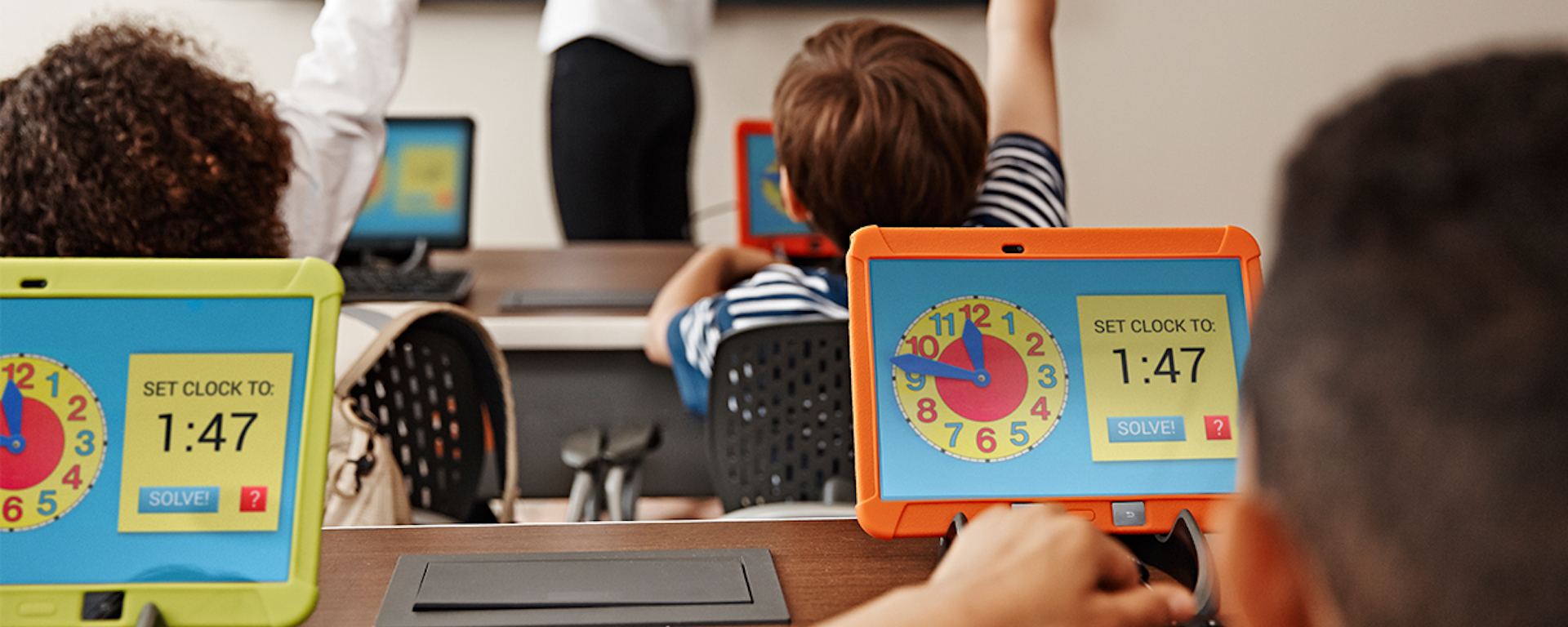
Nowadays, a wide range of games are used in classrooms. These games allow children to learn in an interactive way, at the same time they are enjoying, they are learning basic concepts demanded in the Curriculum.
As future teachers, this project is fascinating due to the fact that it is really recommended knowing basic aspects about games in education. For instance, how games make influence in the learning of the children. Besides, we can create our owns and use them with our future kids.
As future teachers, this project is fascinating due to the fact that it is really recommended knowing basic aspects about games in education. For instance, how games make influence in the learning of the children. Besides, we can create our owns and use them with our future kids.
domingo, 18 de diciembre de 2016
SOME REMARKS ABOUT GAMIFICATION
We should admit that the system of American education has already been aware of gamifying lessons,that is, 'gamification'. The education stage has changed. Because today there are students who were born with technology in classrooms. They need teaching in the classrooms when learning, grasping or practicing something in classroom or out. It's clear that games in the classroom capture attention of students. When you apply any learning process to a gamifying model , this process is exactly eased for your students. As the world is changing, It is inevitable that our education systems also changes.Therefore, we should catch up with the innovations in education.
According to the statistics, the average gamer is actually 35 years old. Almost seventy percent of them are women which means that there is actually more adult women playing games.
According to the statistics, the average gamer is actually 35 years old. Almost seventy percent of them are women which means that there is actually more adult women playing games.
This video is remarkable to watch. Because those ideas belong to a student. This is a different perspective in order to grasp gamification in education. When we have watched these videos, we clearly agree that gamifyingis a powerful influence in education.
Today most of us has shaped their education system in terms of gamification. It is possible that majority of us has learnt English by means of gamification. However, the rest of them are not aware of gamification while some teachers are trying to implement gamification to their classes. Unfortunately, they keep this teaching process with the traditional education system. It is admirable that we have benefited from the traditonal educational way throughout history. However, the time is not the same. When time goes up, we have to change ourselves, our world. Because tis is an inevitable change in our life. If we want to take advantage of the education, we have to implement some different kinds of innovations.
Finally we should decide whether gamification will be funny or didactic or not. In the light of this dilemma, we can conclude 'What are the objectives of the learning process? After students have played this video game, what can they benefit from this? Hence, we should determine our objectives first.
Suscribirse a:
Entradas (Atom)